The allure of Africa has always held a special place in my heart—its vast savannahs, iconic wildlife, and landscapes that seem to go on forever. So when I got a telephone call from a friend who flew for BA and offered me a return flight to the park with accommodation for £300 I couldn’t say no…. Even with the thought of leaving my newly married wife after one whole week!
Touching Down in Johannesburg:
The excitement started the moment the plane broke through the clouds and all I could see were houses and swimming pools everywhere. Touching ground, I stepped off the plane to be met by my friend’s brother who had a home within a gated community in the city. He treated me to a meal out at a restaurant with his friends and gave me lodgings for the night before I was due to travel to the park the next morning.
After a peaceful night’s rest, I was ready for the next phase of my adventure.
I set off early from Johannesburg to Kruger National Park, a journey that would take around five hours by car. The drive itself was an adventure, offering a fascinating glimpse into the South African countryside. The route was dotted with small villages, rolling hills, and wide expanses of farmland, which gradually gave way to the more rugged and untamed landscapes as I got closer to the park.
Along the way, I passed through charming towns and rural areas, each with its own unique character. The wide-open spaces of the Highveld stretched out either side, and what still remains with me today is just how polite the drivers are in SA. It made the five hours seem like two.
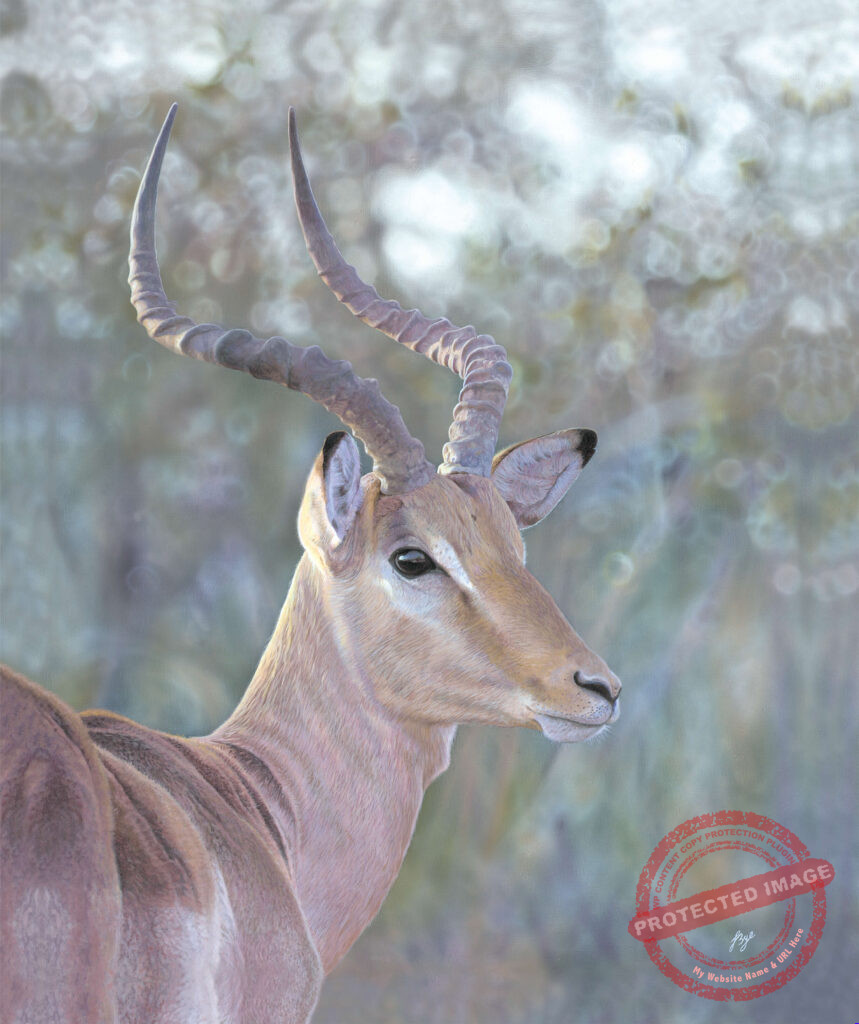
As I entered the park, everything changed. I was struck with joy at seeing my very first herd of wild Impala. Absolutely thrilling. Little did I know of what treasures lay ahead and what was to become a realisation of my place in the pecking order amongst the wild animals that roamed this land.
A Week in Kruger National Park: Into the Wild
At nearly 7,600 square miles, Kruger is one of the largest game reserves in Africa, and over the course of the next week, I would explore the southern areas of Berg-en-Dhal, Pretoriuskop and the Lower Sabie and travel to Olifants.
The Morning Safari
Each day began with an early morning safari drive. Not one in an open topped jeep but in a Lada, all I could afford to rent at the time, and my camera sat in my lap with my tripod strewn across the rear seats. As the sun started to rise, the park’s wildlife was just beginning to stir. Impala were everywhere. Every day had a wow moment only to be bettered by the next days outing.
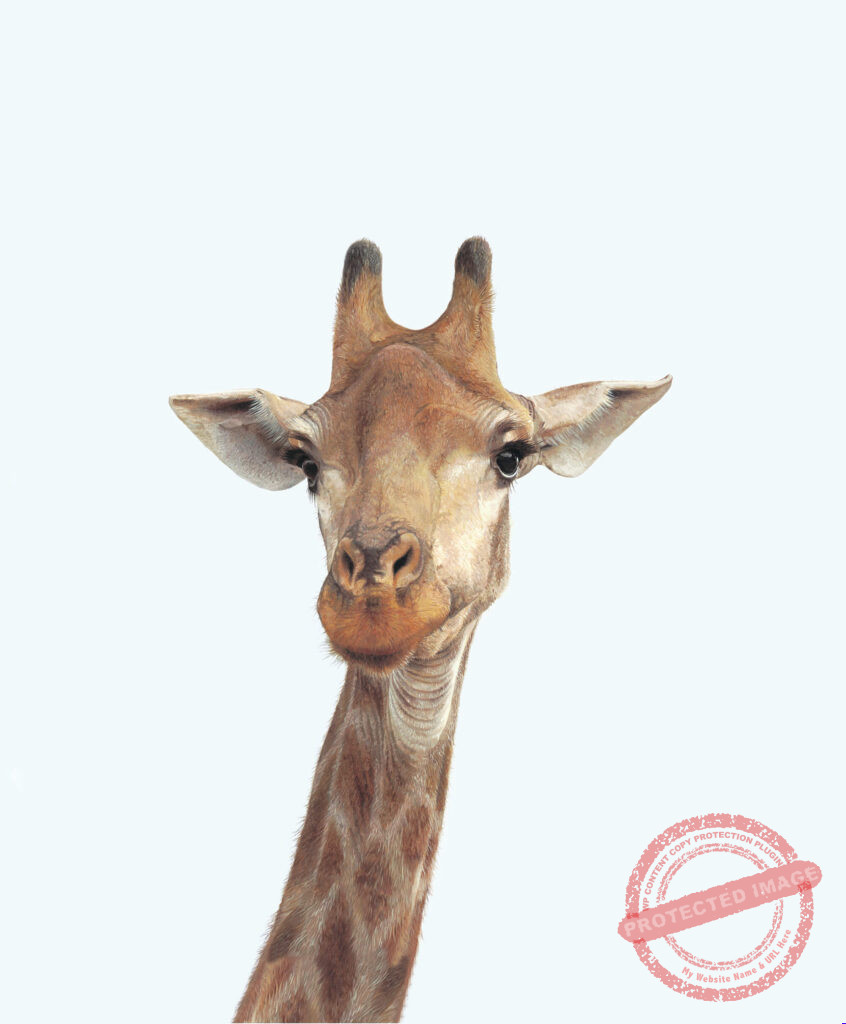
On these early morning drives, I had the chance to see some of Kruger’s most iconic wildlife. Elephants ambling through the trees, eating almost every sapling they came across, giraffes stretching their long necks to nibble on the tops of trees, sable, impala and lion. The animals were often just a few feet away, like the leopard that sat by my open car window whilst I was leaning out taking photographs of it (a preview of this encounter was captured in the painting ’The Road to Pretoriuskop’) or the hyena taking a mud doze in a dip by the side of the road.
The Afternoon retreat
In the evenings, after eating dinner, I would take a moment to reflect on the day’s safari and download my photographs onto a storage device. The heat of midday slowed the park’s activity, but I often spotted smaller creatures—monkeys, warthogs, and a variety of birds—hiding in the shade or grazing in the open. Kruger is not only about the big game; it’s a sanctuary for countless species, each of which plays a vital role in the park’s ecosystem.
As the sun dipped below the horizon, the atmosphere in the park shifted. The air grew cooler, and the park came alive with nocturnal creatures. The thrill of night safaris in Kruger is unmatched. The spotlight would catch the eyes of crocodiles in the rivers and bush babies with their reflective gaze glinting in the dark. Listening to the sounds of the wild at night—distant lion roars, the rustling of leaves, the call of an owl—a constant reminder of how alive the park truly is.
The big five.
Over the course of the week, I had the privilege of seeing the “Big Five”—the most iconic animals of the African safari: lions, leopards, elephants, buffalo, and rhinos. The excitement of seeing each of these animals in their natural habitat never wore off. Watching a bull elephant carefully push down a tree to snack on its bark or stumbling across a leopard eating in a tree then sleeping it off.
Kruger’s diversity was overwhelming, and each day brought a new discovery.
A Heartfelt Goodbye
After a week of driving at the park, I was sad to leave, but the memories of the incredible wildlife encounters, and the natural beauty of the park would stay with me forever. There’s something indescribable about the connection you feel when you’re in a place so raw and wild and just how fragile life is.
As I drove back to Johannesburg, the landscapes of Kruger faded behind me, but the experience left an indelible mark on my heart. South Africa’s wild side had shown me the world through a different lens, one that made me appreciate the fragile beauty of nature and the importance of conservation.
This journey—though only a small part of Africa’s vastness—was an adventure of a lifetime, and I left Kruger knowing that I would return someday, to once again experience the untamed beauty of this incredible land.
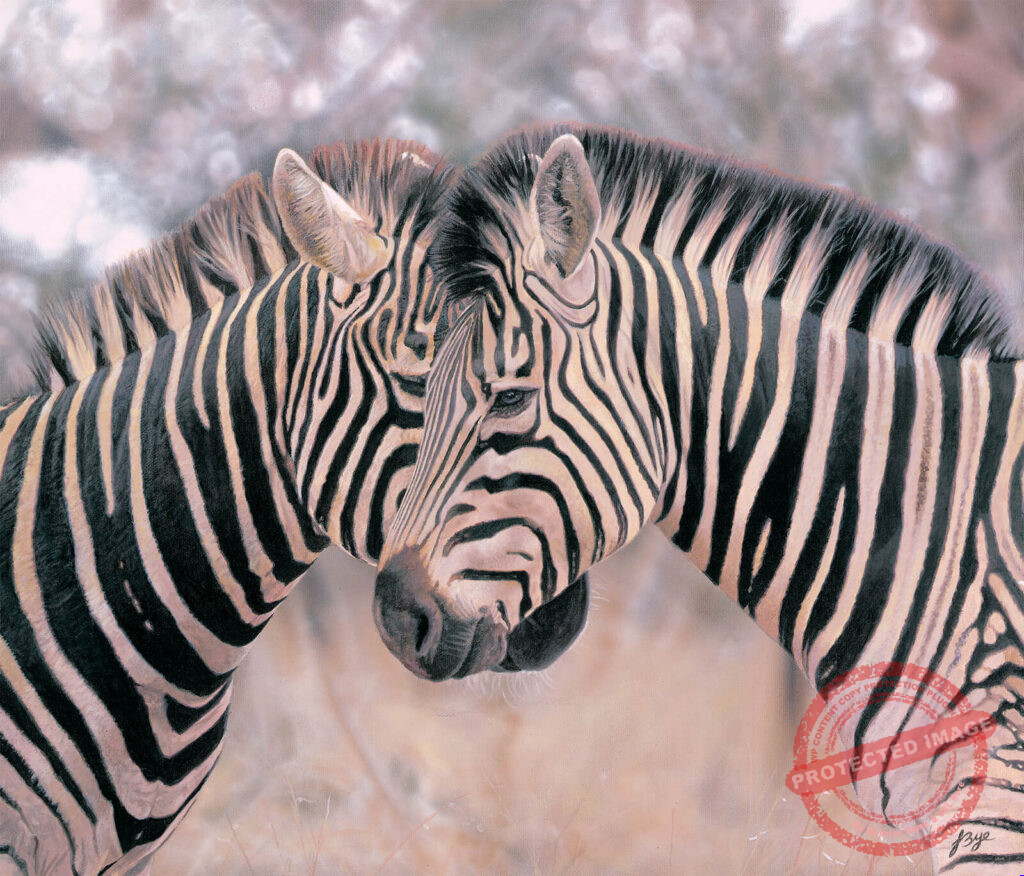
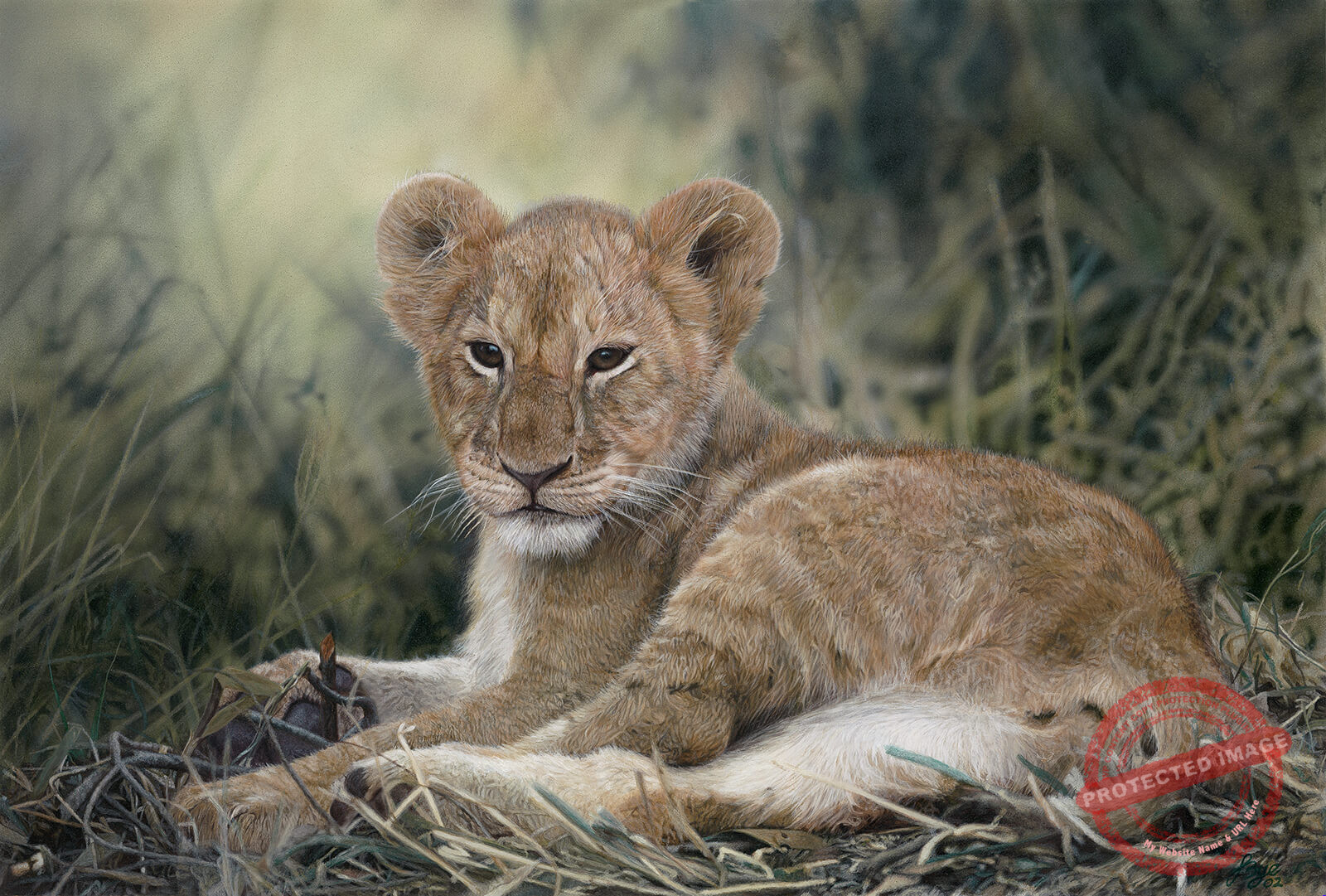
Some of the paintings from this trip— ‘Sleeping beauty’, ‘The Road to Pretoriuskop’, ‘Playtime rest’, ‘Zebra Crossing’, ‘Pretty Girl’ and ‘Impala’ can be seen in the originals gallery.